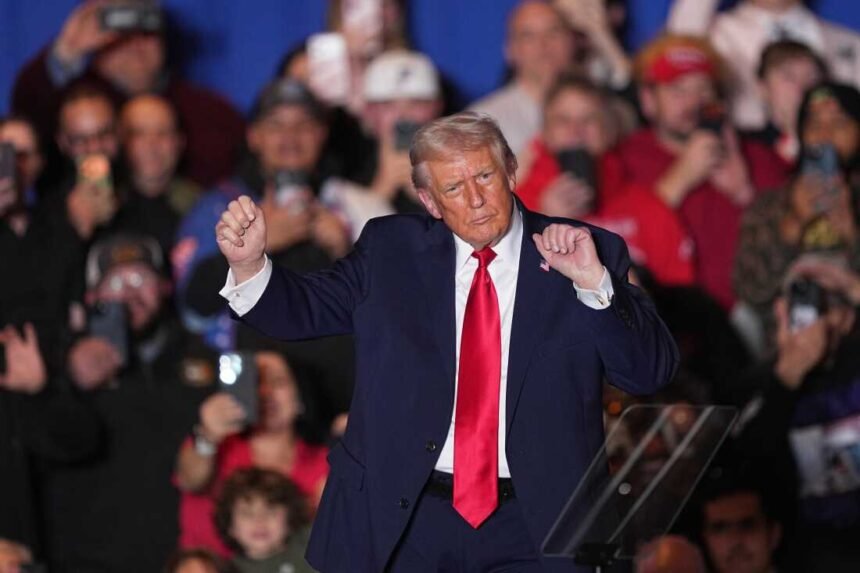
Few figures in modern American history have shaped public debate as intensely as Donald Trump. Rising from the world of real estate and entertainment to the highest political office in the United States, Trump has remained a defining presence whose influence extends far beyond traditional political boundaries. Whether admired, criticized, or analyzed from a distance, his impact on American society, media, and global conversations is unmistakable.
Early Life and Business Career
Donald J. Trump was born on June 14, 1946, in Queens, New York, into a family already active in real-estate development. From an early age, he was exposed to the business world through his father, Fred Trump, who owned and managed large housing complexes. Donald Trump attended the Wharton School of the University of Pennsylvania, where he studied economics and began shaping his ambitions.
During the 1970s and 1980s, Trump expanded his family’s business into a brand of luxury, spectacle, and bold architecture. His ventures included high-rise towers, casinos, hotels, and golf courses. Some projects succeeded spectacularly; others struggled under debt and market pressure. Yet, regardless of financial swings, Trump established himself as a national figure—a man whose name became synonymous with boldness, risk, and showmanship.
The Celebrity Era and Media Influence
While many business moguls stayed behind the scenes, Trump actively cultivated a public persona. He appeared in interviews, authored books, and became one of the most recognizable faces in American media. His fame amplified further when he hosted the reality show “The Apprentice,” where his catchphrase “You’re fired” became part of pop culture.
This media presence translated into an image: Trump as a decisive leader, unafraid to challenge norms, speak directly, or promote his brand. Long before entering politics, he had already built a base of supporters who admired his confidence and celebrity magnetism.
The 2016 Campaign and Presidency
In 2015, Donald Trump announced his candidacy for the U.S. presidency—an announcement viewed by many as unlikely to succeed. But the campaign defied expectations. Trump positioned himself as an outsider challenging the political establishment, emphasizing themes such as economic nationalism, immigration policy reform, trade renegotiations, and a reevaluation of long-standing alliances.
His communication style—direct, confrontational, and unconventionally informal—reshaped how political messaging worked in the age of social media. Trump used platforms like Twitter as a primary channel to bypass traditional news outlets and speak directly to millions of people.
Winning the 2016 election, Trump became the 45th President of the United States. His presidency was marked by major policy shifts, heated political debate, economic changes, judicial appointments, and a unique approach to diplomacy. Supporters praised his focus on business growth and conservative judicial picks, while critics raised concerns about his rhetoric, political polarization, and handling of national issues.
Post-Presidency Influence
After leaving office in January 2021, Trump remained a dominant figure in American politics. His voice continues to shape discussions within the Republican Party, and he maintains a powerful base of supporters. His rallies draw large crowds, his commentary sparks debate, and his political strategies influence candidates across the country.
Whether returning to the political arena or shaping it from the sidelines, Trump’s presence ensures that his name remains at the center of national attention.
A Legacy Still in Motion
Assessing Donald Trump’s legacy is challenging because his influence is ongoing and continuously evolving. Supporters view him as a transformative leader who disrupted conventional politics and championed issues they felt were ignored. Opponents regard him as a polarizing figure who altered norms and deepened political divisions.
What is clear, however, is that Trump’s role in American history will be studied for decades. His ability to command media attention, mobilize supporters, and redefine political communication sets him apart as one of the most significant—and debated—figures of the 21st century.